TIAGo Pro add-ons
The following are the hardware extensions that are not provided with TIAGo Pro by default, yet they can be obtained either at purchase or at any moment later. These come as already integrated in the robot
Force Torque sensors
TIAGo Pro can be obtained with one or two Force/Torque (F/T) sensors. They can be attached to any of the the arms through the quick tool changer, see Figure 1.
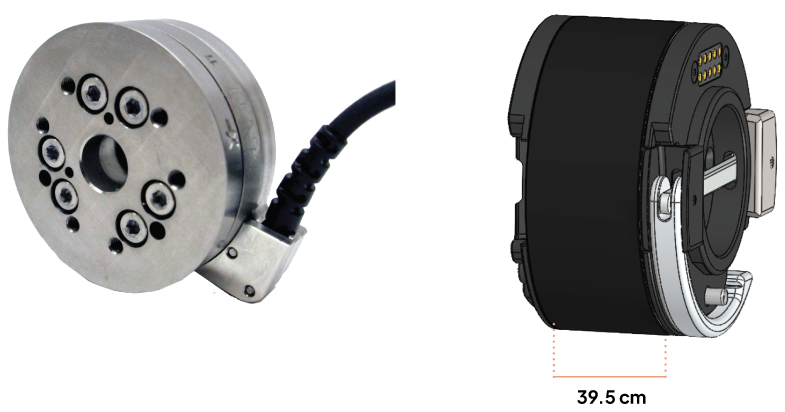
Figure 1: ATI mini45 F/T sensor (left) and its integration in the quick tool changer system.
The details of the calibration of the sensors are provided in Table 1. These values make the F/T sensors compatible with the maximal load of arm and either the PAL Pro Gripper or the Allegro hand.
| Calibration | Fx, Fy (Range) | Fz (Range) | Tx, Ty (Range) | Tz (Range) | Fx, Fy (Resolution) | Fz (Resolution) | Tx, Ty (Resolution) | Tz (Resolution) |
|---|---|---|---|---|---|---|---|---|
| SI-145-5 | 145 N | 290 N | 5 Nm | 5 Nm | 1/16 N | 1/16 N | 1/752 Nm | 1/1504 Nm |
Table 1: Calibration details.
When attached, the F/T sensors are included in the same EtherCAT bus running at 1 kHz. As a result, they are fully synchronized with the arms.
Jetson GPU PC
A GPU is available as an add-on: an NVIDIA Jetson AGX Orin 128GB PC (see Figure 1).
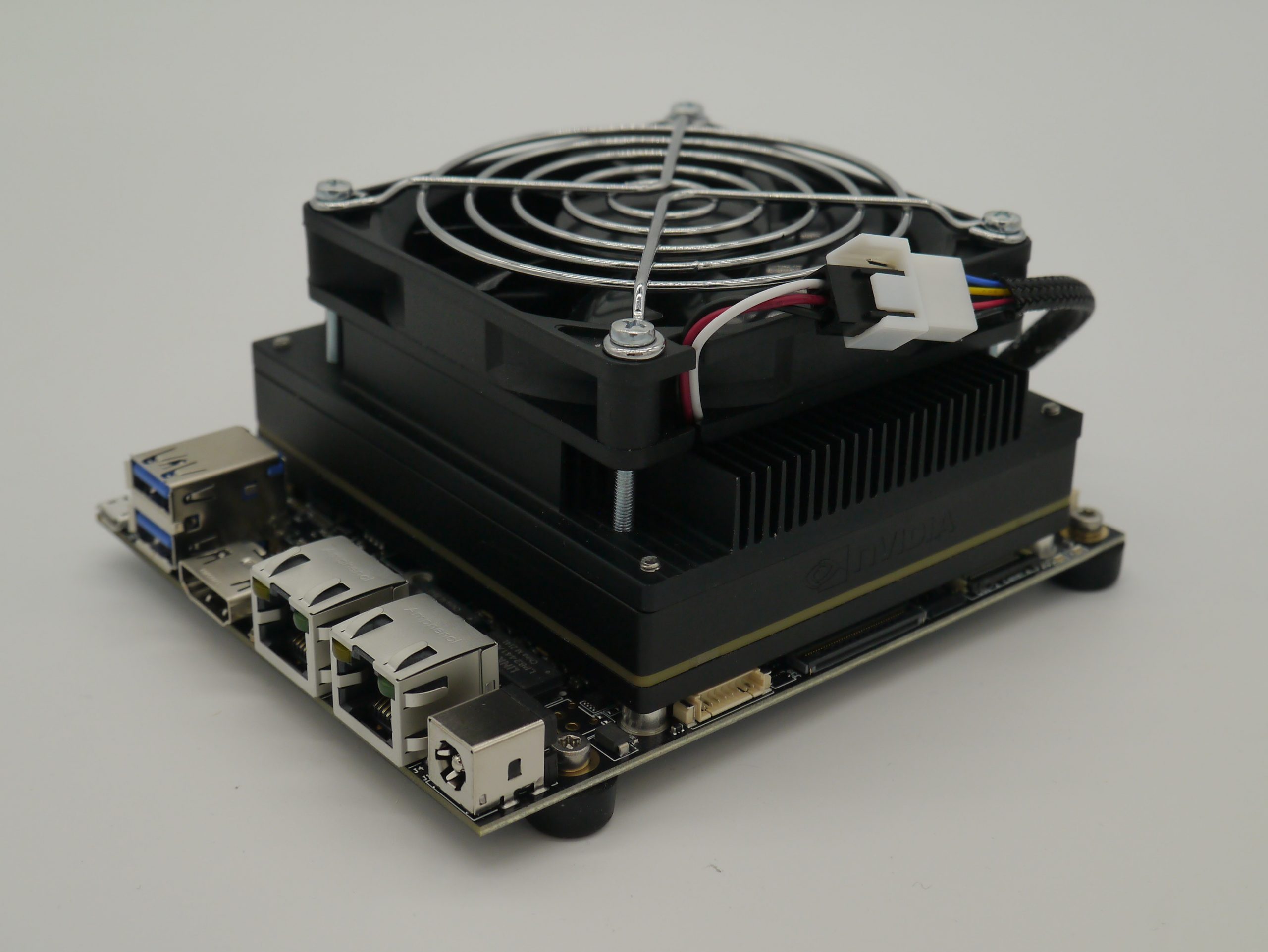
Figure 1: NVIDIA Jetson AGX Orin 128GB PC
To allow easy and fast access to both PCs, the embedded PC of TIAGo Pro is located on the back of the robot. The GPU PC is also mounted on the back, on top of the embedded PC, see Figure 2.
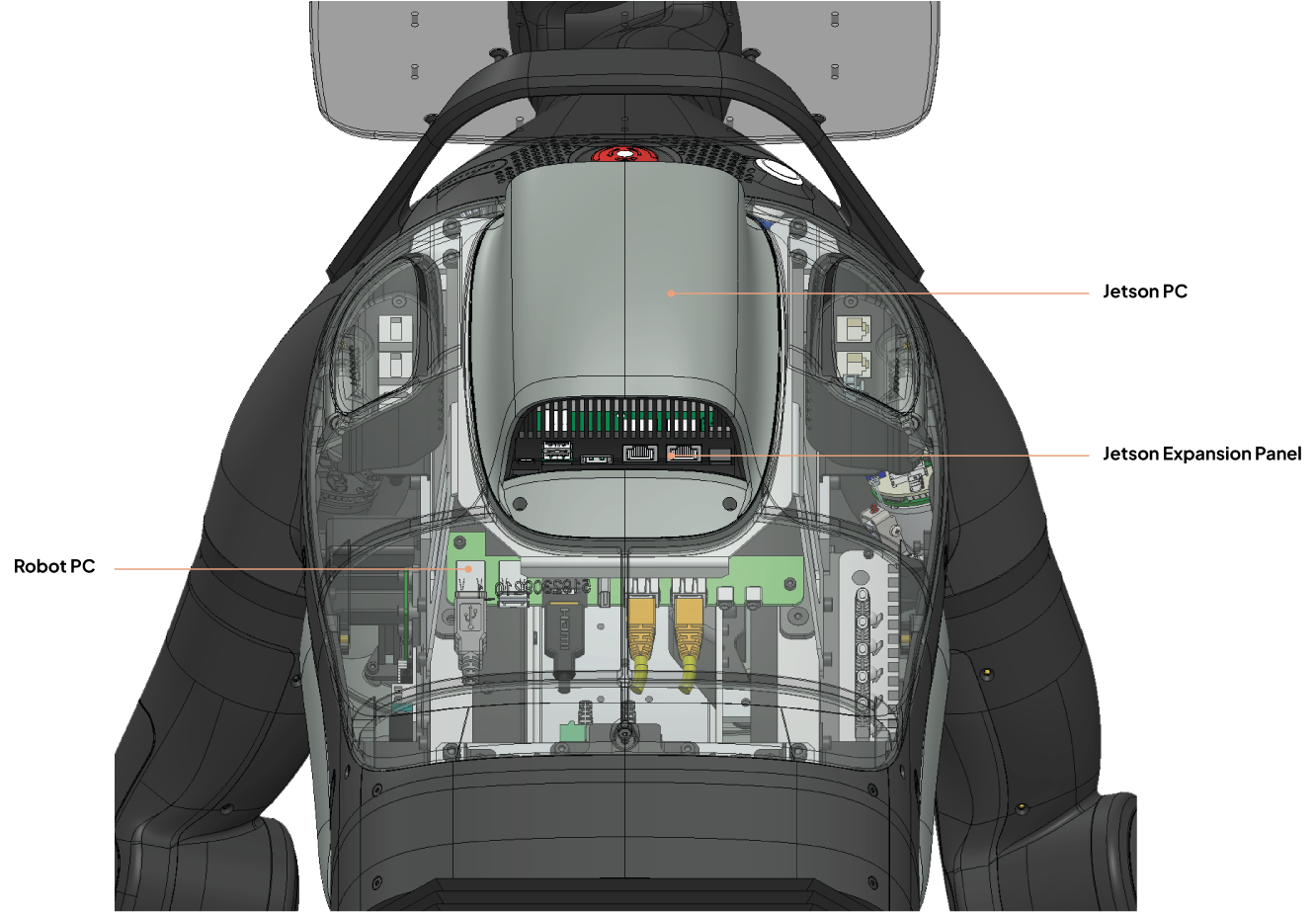
Figure 2: Location of the PC and GPU PC of TIAGo Pro
Allegro hands
The hands TIAGo Pro can be obtained with as add-on are Allegro hands. These are human-like hands that are able to handle fragile and deformable objects. They have four fingers, consisting of three phalanges and one thumb (see Figure 1).
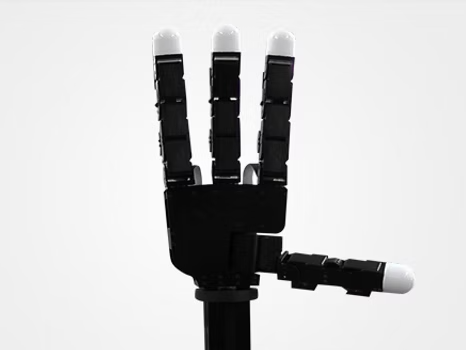
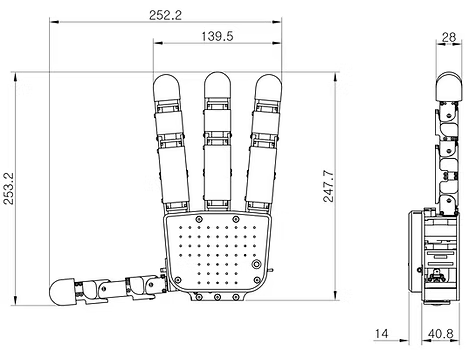
Figure 1: Allegro hand from Wonik Robotics.
The main specifications of the hands are listed in Table 1.
| Specification | Details |
|---|---|
| Number of fingers | Four (4) fingers, including thumb |
| Degrees of freedom | 4 fingers × 4 = 16 (active) |
| Actuation type | DC motor |
| Gear ratio | 1:369 |
| Max. torque | 0.70 Nm |
| Max. joint speed | 0.11 s / 60° |
| Weight — finger | 0.17 kg |
| Weight — thumb | 0.19 kg |
| Weight — total | 1.08 kg |
| Joint resolution | Measurement: potentiometer |
| Resolution (nominal) | 0.002° |
| Communication type | CAN |
| Communication frequency | 333 Hz |
| Payload | 5 kg |
| Power requirement | 12/24 VDC / 100 W |
Table 1: Specifications of the Allegro Hand
As shown in Table 1, each joint of the hand can be moved independently in joint-space (articular) control, which is commanded in torque. This also allows commanding the hand in Cartesian space by implementing an appropriate controller for the task. This is detailed later in the section on hand controllers.
The Allegro hands can be also obtained with uSkin Curved tactile sensors from Xela Robotics, already integrated on them (see Figure 2). These tactile sensors are mounted on the fingertips of each of the four fingers of each hand. This gives the robot the ability to estimate forces and contact points applied at the fingertips. Hands, sensors, and arms are all synchronized on the same bus. This enables the implementation of Cartesian interaction force or admittance controllers at both high and low level.
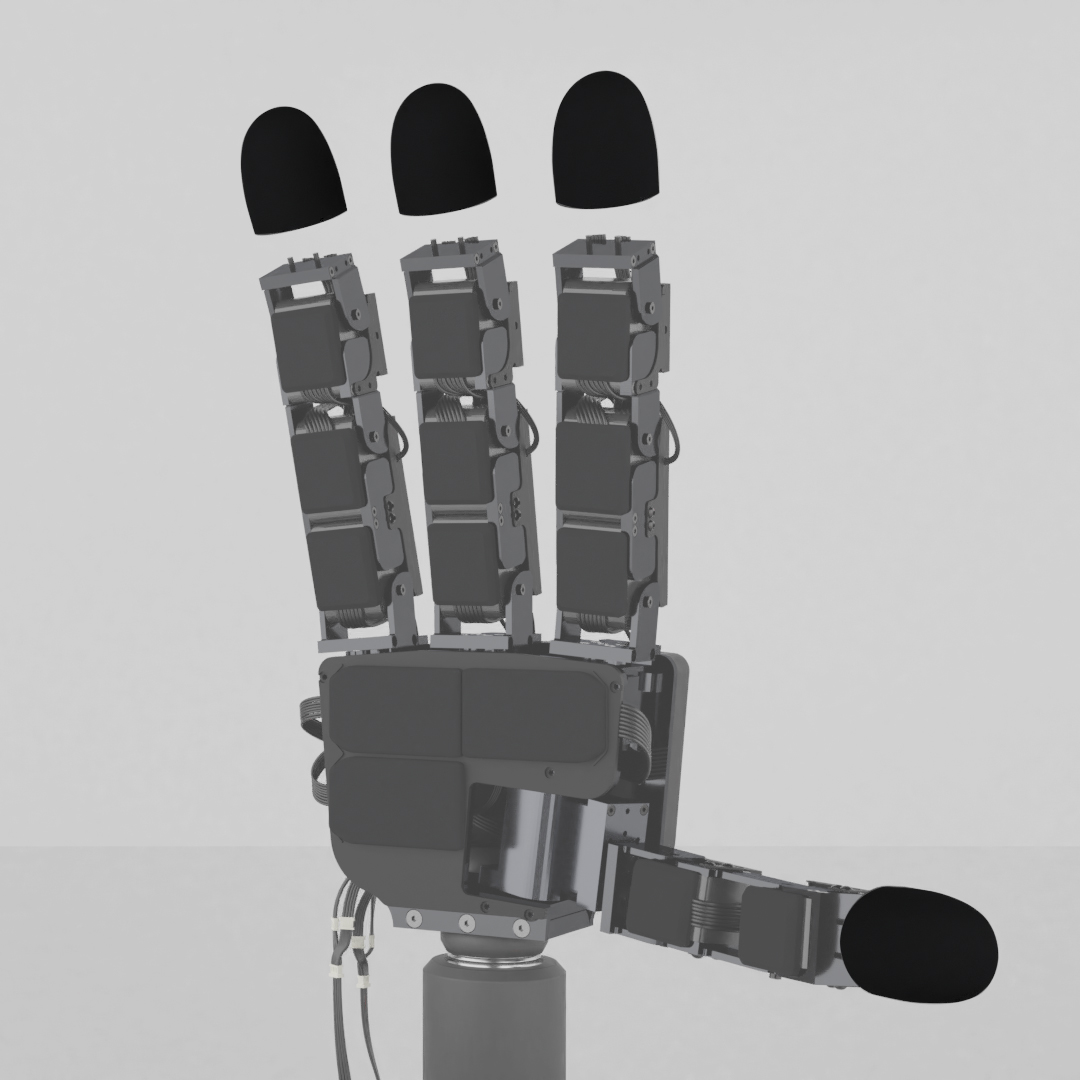
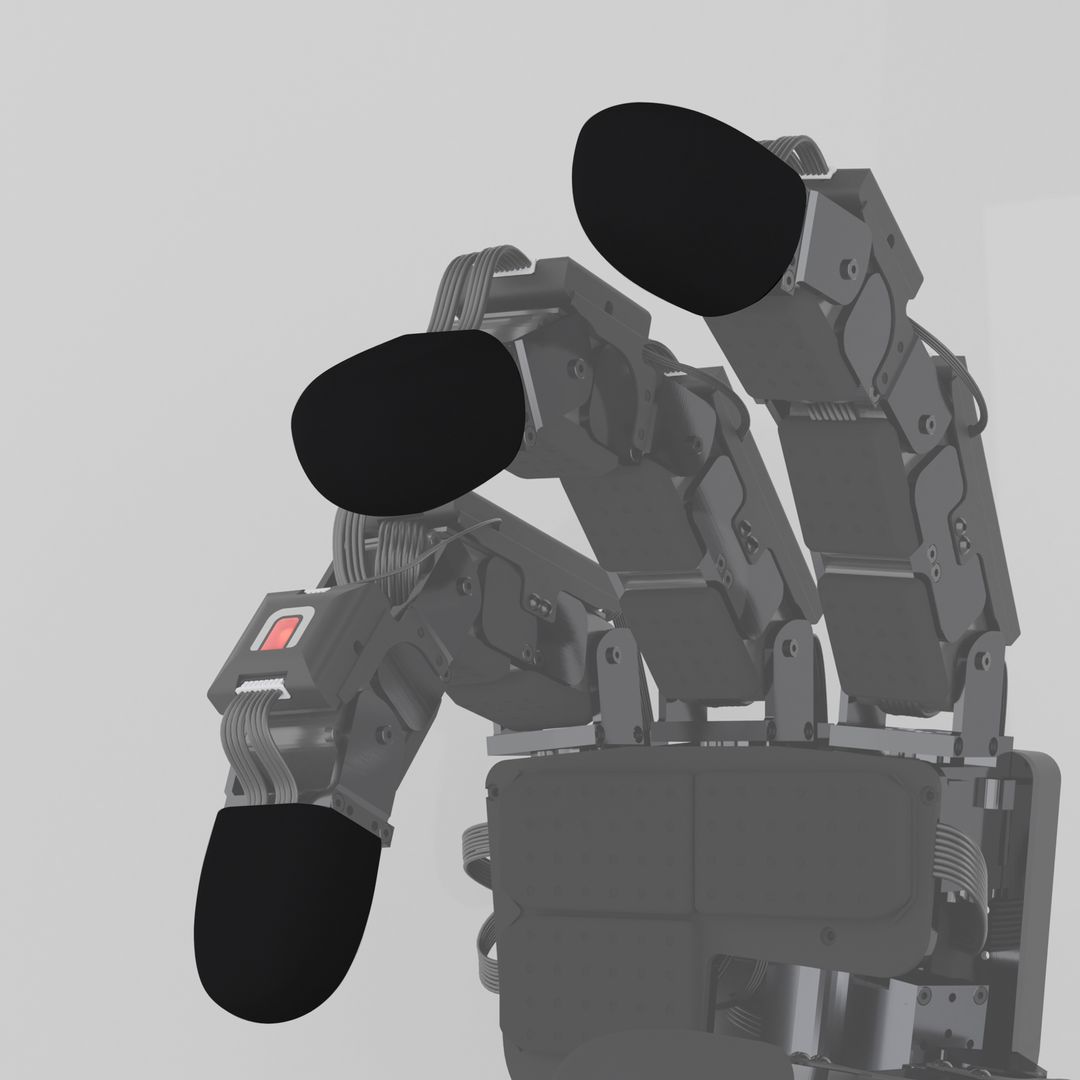
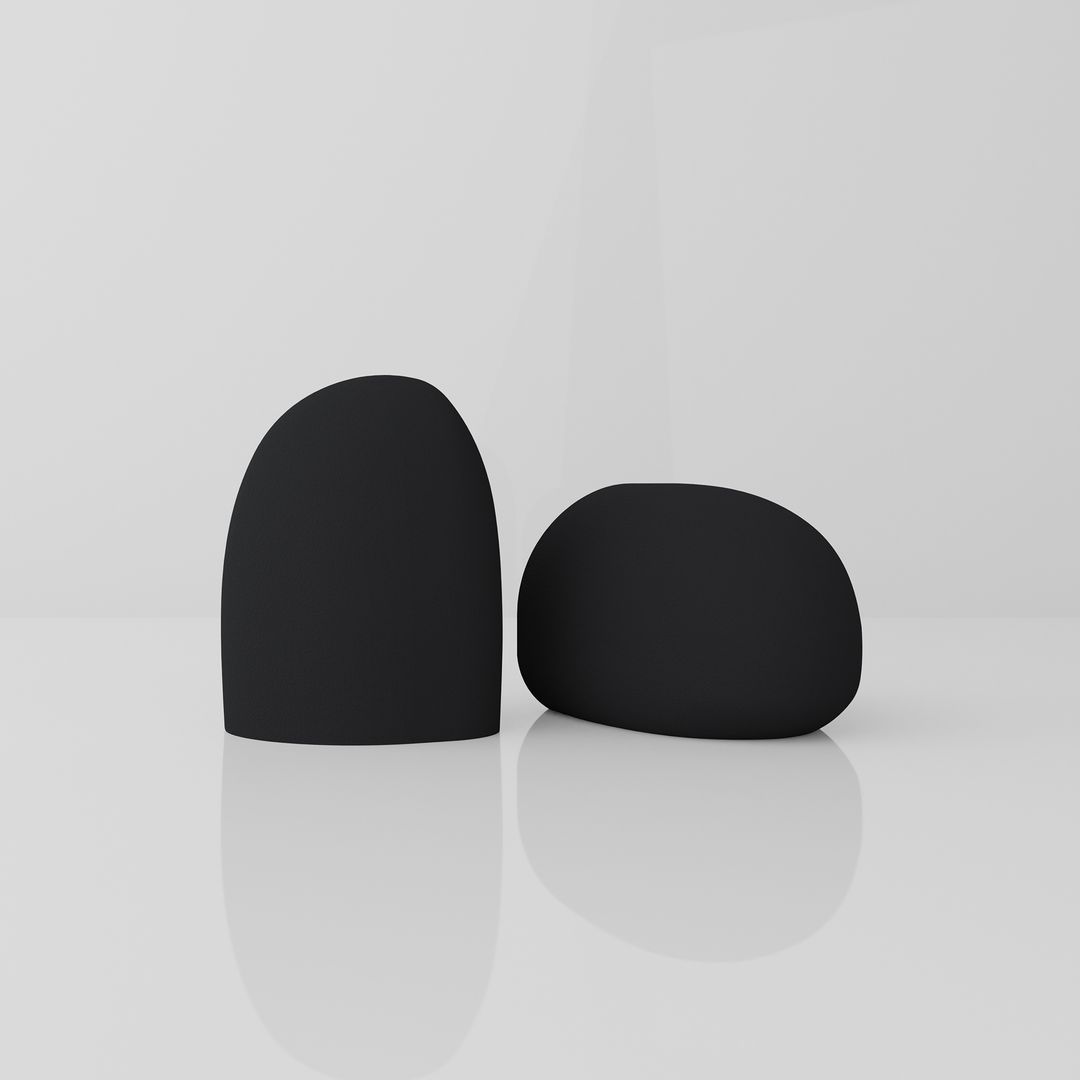
Figure 2: Integration of the uSkin Curved tactile sensors from Xela Robotics in the Allegro hands.